
SWHHS faces new cost burdens
More costs shift onto MN counties in 2027
Trending
MARSHALL -- Starting next year, more of the cost burden for programs like SNAP and assisted living support will be shifted down onto Minnesota counties, Southwest Health and Human Services Director Stacey Timm said.
Timm said the cost pressure raises serious questions when it comes to SWHHS's 2027 budget.
"With all of the cost shifts, wages, insurance and contracts, we would need an estimated $2.1 million in 2027," she said.
If the counties served by SWHHS raised their levy contributions by the maximum amount allowed in the agency's joint powers agreement, it would only come to a total of $1.39 million.
Lyon County Administrator Loren Stomberg said the budget challenges facing SWHHS would also have effects on Lyon County's budget.
"But it's one of those core functions, that we can't let it go. Everyone's mandated to do it," he said.
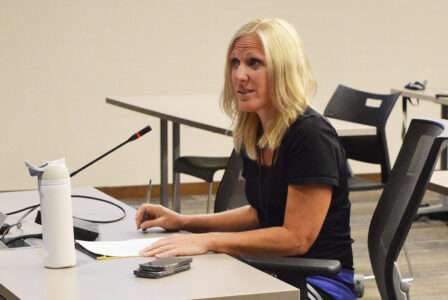
Timm went over some of the funding challenges facing SWHHS at Tuesday's Lyon County Board meeting. Timm said she was meeting with each of the county boards in SWHHS's service region.
Southwest Health and Human Services covers a six-county area, including Lincoln, Lyon, Redwood, Murray, Pipestone and Rock Counties.
Beginning in 2027, some of the cost burden of programs and services that SWHHS administers in the area will be shifted around, Timm said. The first major cost shift will be a federal one for the Supplemental Nutrition Assistance Program (SNAP).
"This is a federal cost shift that happened last summer," Timm said. "We have known this was going to happen, but we've been waiting on the state to give us details about how much this would impact us."
In the past, SWHHS had received a 50% federal reimbursement to administer SNAP. When the federal H.R.1 bill passed last year, the reimbursement was reduced to 25%, Timm said.
"They also in that law passed that states would need to start paying back if we have a SNAP error rate," Timm said. "So, if there's errors that are happening in the program, the states need to pay back the federal government."
Timm said SWHHS has gotten a few different numbers from the state of Minnesota as to what the financial impact of the SNAP cost shifts would be.
"As of today, they're indicating that we will lose $381,000 in 2027 for SNAP," she said.
The second big cost shift facing SWHHS is coming from the state, Timm said. Starting in 2027, Minnesota will shift the costs of Long Term Services and Supports (LTSS) onto counties. Timm said LTSS waivers impact elderly or disabled people who are in assisted living homes or in group homes for developmental disabilities.
Timm said the groups like the Association of Minnesota Counties and Minnesota county commissioners had identified cost-saving measures to try and avoid the LTSS cost shift.
"They brought that to the legislature and the governor, and they did implement some," she said. "However, they took those cost savings for the state and they did not pass it to the counties, so the cost shift is still coming."
In addition to the cost shifts, SWHHS is also facing insurance and contracted wage increases. Adding that together, SWHHS would need an estimated $2.1 million in funding for 2027. Under the SWHHS joint powers agreement, its levy could not be raised more than 10%, Timm said.
"If the board would set it at that, that total is $1.39 million," she said.
Timm said SWHHS has already paused the process of hiring new employees to fill openings, and is looking at other areas where cuts could be made or revenue increased.
Commissioner Rick Anderson asked if SWHHS could cut its services down to just what is mandated by the state of Minnesota. Timm said the only non-mandated human services programs SWHHS currently provides are its restorative justice and circle sentencing programs. Timm said those programs help reduce costs to the county for out-of-home placements.
"We wouldn't recommend cutting that," Timm said.
Timm said agencies like SWHHS have ideas on how to reduce LTSS costs, and will continue to advocate for that at the state level.