
‘Addressing risk factors’
New clinic joins fight against breast cancer
Trending
MARSHALL -- Detecting breast cancer early can make a big difference for a patient's treatment and survival. And breast cancer screening and prevention becomes even more important for women who are at a higher risk of developing cancer.
Now, there are new resources available in Marshall to help patients at a high risk for breast cancer. Access Health and Avera Medical Group have opened a high-risk breast clinic to help patients with cancer prevention.
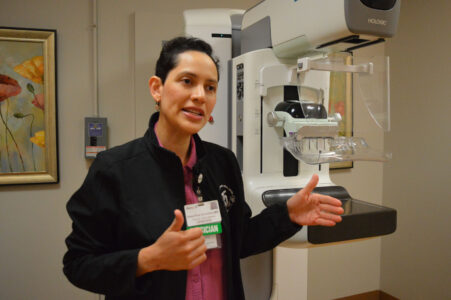
"It's such an important concept," said Dr. Rosa Avendano, a family medicine and obstetrics provider at Avera Marshall. Avendano will also see patients at the new breast clinic. "We're basically addressing risk factors," and providing guidance and counseling to help spot potential cancer early, she said.
Being able to offer high-risk clinic services closer to home has been positive for Marshall area residents, Avendano said.
"In the first two weeks after opening, we had 26 referrals," Avendano said.
A clinic consultation can be helpful for women with risk factors like having a family history of breast cancer, having dense breast tissue, or having had chest radiation treatment at a young age, Avendano said.
Marshall has become the third location in the Avera Health system to offer a high risk breast clinic, and the first location in Minnesota. Currently, other high risk breast clinics are located in Sioux Falls and Mitchell.
"We've had a high-risk breast clinic here in Sioux Falls since 2015," said Tara Kocourek, director of breast health at Avera McKennan hospital in Sioux Falls.
Updates to mammography software in the past few years have made it possible to offer those services in more locations, she said. Avera added a high risk breast clinic in Mitchell in 2024, and in Marshall this year.
"Marshall met all the criteria we needed," Kocourek said. Marshall is also a regional hub that serves a wider area. Kocourek said part of the process of planning for the high risk breast clinic meant working with clinic team members, including physicians like Avendano.
Mammograms for cancer screening are usually recommended to start at age 40, Avendano said. However, patients who have higher risk factors for breast cancer can benefit from options like advanced imaging, or genetic counseling.
"In the clinic, we talk about why they are at high risk," Avendano said.
They can also discuss options for breast cancer screening and prevention. For example, a patient could be recommended for imaging like a breast MRI, and get education on how to do self-exams. In certain cases, the clinic team could discuss whether a patient might be a candidate for preventative treatments, or refer a patient for advanced procedures.
Avendano said patients are referred to the high risk breast clinic through their primary care provider. Being able to learn more about breast cancer risks and prevention is something that has a powerful impact for patients, she said. The impact of early cancer detection is powerful, as well.
"Treatment outcomes are a lot better for patients who are identified early," she said.