
Trending
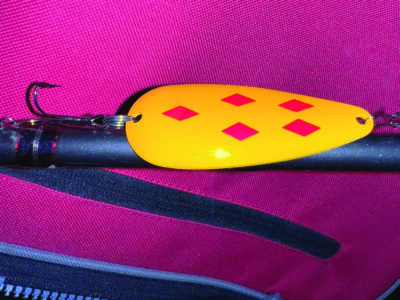
I braced myself against the roaring north winds of Minnesota's opening day, waves rolling into the south shore so hard their crests lapped at the just-installed dock and sprays of white splashed up between the slats, soaking my tennis shoes. It was a classic start to the season, and while I knew there'd likely be no trailing fish behind the heavy five-of-diamonds spoon I chucked out against the gales and into the clear spring water, I gave it a good six or seven dozen casts before I conceded to the conditions.
In that time, however, I watched the bright pattern flit and dart in rhythmic fashion through the waves and thought of how many times that color scheme, or that of red-and-white, or black-and-white, on my selection of spoons had caught the attention of a pike from that very position from opening day to the last visit to the cabin in early fall throughout each summer of my life. They were as classic as the cold and windy start to the season that often hallmarked the state's pike and walleye opener, and often far more facilitating of my efforts to simply hook up with consistent action. The mere fact that they seemingly still work for these predators -- and occasionally other aggressive fish like smallies or white bass -- those traditionally patterned spoons never cease to amaze me, despite dozens or hundreds of more modern, realistic paint jobs for every predator bait from spoons, to cranks, to in-line spinners.
This is in part because these classics look like nothing in the wild. I've yet to see a yellow fish with red spots (let alone something like any playing card) in the waters I fish throughout the upper Midwest, but the five-of-diamonds spoon that often adorns the end of my leader still catches fish. Likewise, there's not much out there in the water that sports a red-and-white color scheme either, but nevertheless the established pike pattern produces along with the monochrome mix of black and white; which I tend to choose on cloudy days, a recommendation from my uncle when I was just a boy learning how to cast and gaining an understanding of angling. That pattern perhaps is the closest to anything living in the water -- a chub or a shiner with a dark back and a white belly -- but it still takes a bit of imagination to get there.
For pike though, I guess it doesn't matter much. Whatever it is about these tried-and-true tints on casting or trolling spoons works and has become a proven pattern throughout the last century of fishing and certainly during my time on the water. An understanding of the means isn't always necessary when trying to find the ends, especially when they connect with fish. Simply the flash, twist, jump and occasional turn of color is all that's needed to entice the ambush strike of a northern in early spring waters or along a well-established summer weedline. It's for that reason each season I pick up a few more in those favorite go-to colors to add to my tackle box and that growing collection of my kids, knowing that we'll have those classics close at hand, and -- even when the conditions are against us --a good chance of success ... in our outdoors.