
In Check
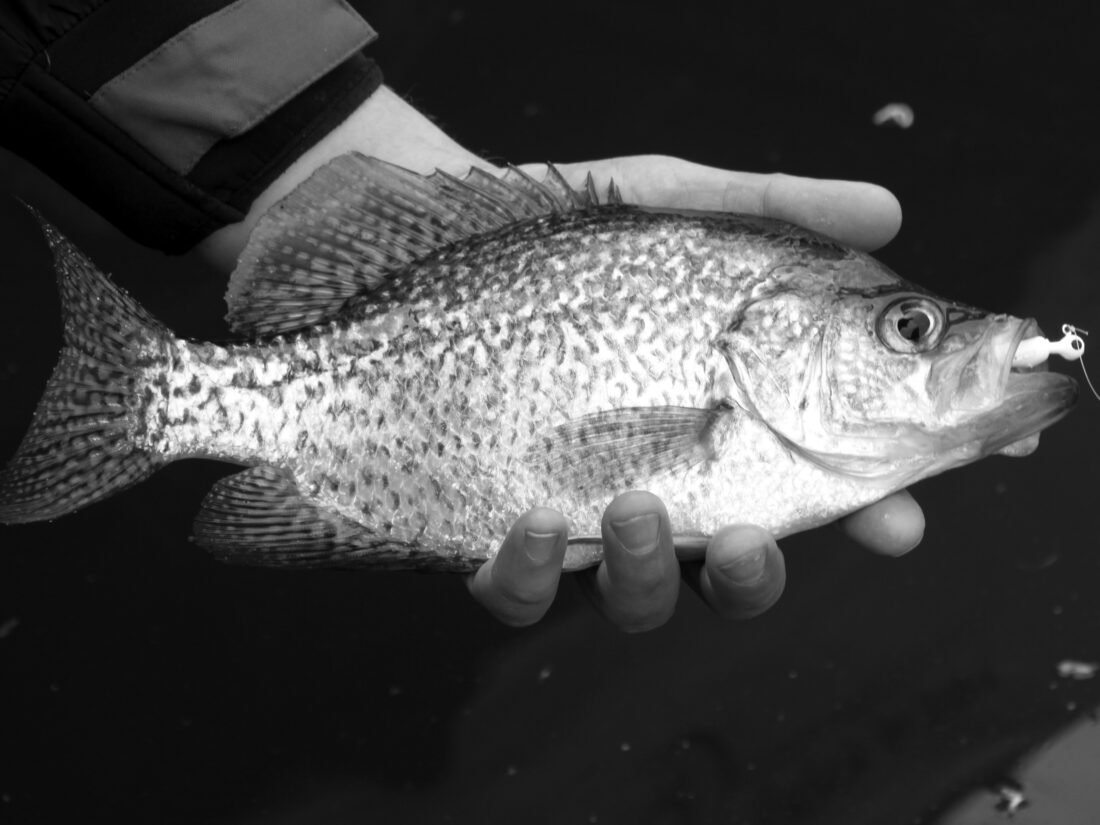
Submitted photo Planning things out and fishing how you want allows for the flexibility for everyone to find success, however they define it, as spring options open up in the outdoors.
I used to consider myself a good chess player, capable of figuring things out, even thinking a few moves ahead, and having a strategy and a backup as well when I played more often with my dad, or the kids in school as I grew up. Now that I play the game with my own boys, who both have a library of videos at their fingertips with 60-second breakdowns of openings, gambits, strategies and more — compared to the relatively dry text and diagrams I reviewed from time to time in the library books when I was just a bit older than they are — I realize I’m not a good chess player, or at least not as good as they are. While the game remains the same, the options and the odds are ever more in their favor as the repository of four more decades’ worth of strategies, world championship-winning tactics, and online mentorships from master level players can be absorbed in an hour or two of clicks and downloads, and test games on websites or applications can pipe those plans directly into their brains for their next match with their neanderthal dad on the opposite side of the board. It’s in moments like that, I’m thankful for the outdoors. While the situation is similar; with the game generally remaining the same, the technology, options, approaches and ideas are ever growing and rapidly increasing for the next generation of anglers, but it doesn’t change for each individual, seeking what they want or need from the experience. From front facing sonar and sharpened GPS systems, to more sensitive rods and high tech lines, those matching wits with walleyes or looking to best the bass in their waters — many of which are the same I grew up angling with good success, but far less than theirs now — are able to put their quarry in check, with far fewer moves than I ever did. That’s not to say my tactics don’t work, as my finned opponents in those flows still haven’t changed much over the decades. I still know where to find fish, what plans to put in place ahead of the season and as the day starts on the water, and what tactics will generally work best for me on a given outing. However, I recognize that my ways, those which I call “tried and true,” might be referred to by the newest generation as “classic baits,” “vintage flies,” and “older rods and reels,” probably aren’t the mainstream options available today; a fact confirmed after spending some of the past weekend looking over this season’s Bass Pro Shops catalog. But unlike the chessboard, the outdoors allows us to play the game how we want to, and winning has a different meaning to everyone who fires off a cast or unfurls a fly line. It may be watching the sunrise over a calm lake, counting the jumping sturgeon that shatter the mirrorlike surface during the 25 minutes allotted before the day begins. It may be predicting the point that holds the most smallmouth bass on a float down a flow and then seeing how many strikes can be converted. Then again, it may simply be how many times you can get a youngster’s bobber to go down as you introduce him or her to a favorite panfishing spot. The board can be changed, shrunk or expanded by going from pond to lake, and stream to river, and altering the desired method of fishing any or all of them. The opponent can be toughened by going from crappies, to walleyes, to muskies, and conditions surrounding each trip for those species. Each one of those situations, and countless others on the water as spring unfolds allows for a check mate of its own making in an ever fluid playing field. In turn, that flexibility, instead of the confines of an eight-by-eight of black and whites, is what keeps me, and I’m sure many others, coming back to check in on their favorite fish, most enjoyed waters and favorite spring stops, whether using the most modern strategy available, or those that have checked the box in seasons past … in our outdoors.
Local Columns

Remembering Dave
In Check

In Check
Wine tasting friends
ICYMI, acronyms are a part of our everyday world. Now do you know what acronyms are? Well, just in case you don't ...

Nick Simonson
Cooking for one requires creativity and consistent effort
Nutrition in a one-person household shouldn’t be taken for granted, but should instead be met with careful ...