
Trending
Picture this: A father and mother sit at their kitchen table, sorting through decades of financial statements, wondering if their children know where to find their life insurance policies, let alone what to do with them when the time comes. Across town, their adult daughter is quietly stressed, unsure how to bring up the topic of inheritance without seeming presumptuous. Neither one says a word to the other. Variations of this story are playing out in millions of households across the country right now. According to Cerulli research, over the next two decades an estimated $124 trillion will pass from older generations to their heirs in what’s become known as the Great Wealth Transfer.¹ It’s one of the largest movements of money in American history, and it’s not just a story about wealthy families. It’s about ordinary families preparing for extraordinary shifts.
The human side of wealth transfer Much of this wealth was built over decades through homeownership, retirement savings, and disciplined investing. Now, as Baby Boomers age, that wealth is beginning to move to spouses, children, grandchildren, and to causes they care about. Yet wealth transfer is rarely just a financial exercise. It often involves conversations that families have pushed off, documents that haven’t been updated, and assumptions that haven’t been tested. In many cases, the emotional challenges are greater than the financial ones.
Three family scenarios worth learning from
The parents who assumed everyone was on the same page. Consider a couple in their 70s who believed their three children understood the family’s wishes because they’d “talked about it at Thanksgiving a few years back.” When the time came, the children discovered outdated beneficiary designations, a will that hadn’t been touched since the 1990s, and disagreements about who should manage what. Much of the confusion could have been prevented with a simple review of key documents and a more intentional family conversation.
The adult child who didn’t want to ask. Many adult children avoid bringing up estate plans because they don’t want to appear as though they’re waiting for an inheritance. Understandably, this results in silence, but silence doesn’t make the eventual transition any easier. Sometimes, all it takes is a simple opening: “I’m not asking about money, I just want to make sure I can support you and understand your wishes for when the time comes.”
The blended family navigating new dynamics. With remarriage increasingly common later in life, wealth transfer questions have grown more complex. Questions about beneficiaries, account ownership and inheritance intentions can create uncertainty if they’re not addressed in advance. Without clear documentation, even the most loving blended families can face unexpected tension.
Practical steps to start the process
Review beneficiary designations regularly. Beneficiary elections often override what’s written in a will, so review them regularly, especially after major life events.
Have conversations before they're necessary. Choose a low-pressure moment to discuss wishes, rather than waiting for a health scare to force the conversation.
Organize the paperwork trail. Make sure a trusted family member knows where to find wills, account information, and insurance policies.
Revisit your plan every few years. Life changes, tax laws change, and your strategy should evolve with them.
Turning a transfer into a legacy
A wealth transfer is more than dollars and cents. At its best, it’s an opportunity to strengthen family connections, align on shared values, and create a lasting legacy. Families who navigate it most successfully are often those who start open, honest conversations early, building understanding and confidence long before important decisions need to be made. If you’re unsure where to begin, a financial adviser can help guide these conversations, review key documents, and help you develop a plan that reflects both your financial goals and the values you hope to pass on to future generations.
¹ Cerulli Associates, “U.S. High-Net-Worth and Ultra-High-Net-Worth Markets” wealth transfer research as of December 2024.
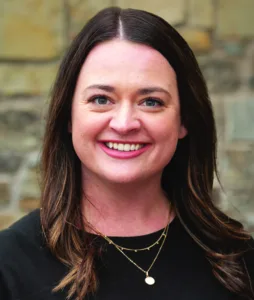
Trisha Schaar, CRPC, CLTC, APMA, BFA is a financial adviser with Echelon Wealth Partners, a private wealth advisory practice of Ameriprise Financial Services, LLC in Marshall. She specializes in fee-based financial planning and asset management strategies and has been in practice for 10 years. To contact her, ameripriseadvisors.com/trisha.m.schaar, (507) 532-2210, 100 West College Dr, Suite 103, Marshall, MN