
Water and more for dove success
Trending
The transition of summer into fall brings with it the first upland season of the year with mourning dove hunting beginning on Sept. 1. While I can recall endlessly entertaining afternoons walking shelterbelts to flush these fast-flying birds from their daytime roosts, the most memorable hunts came from around favorite water holes marked on my GPS and in memory which my friends and I would wind our way to after work down dusty gravel roads. At our destinations we'd set up a spread of foam decoys, and later, mechanized models that really seemed to do the convincing of those birds coming in the fading light of evening. While that was really it to provide some great late summer and early autumn action in the field, I found over time that some water holes paid off better than others for doves.
Play the fields
The best water holes were those in or adjacent to small grain fields, a find that has become a bit more difficult in our modern era of agriculture, where farms cycle primarily corn and soy, not typical food sources for doves. Wheat stubble was a sure sign that success was on the way, and those fields of canola that had also been recently cut were good starting points. The small kernels and seeds of those plants are plentiful on the ground just after harvest, and linger for several days if not weeks. As most of those plantings are harvested in August, these spaces remain a draw for doves well into the start of the season. As a fallback, sunflower fields also provide small enough seeds for doves to eat and marking those on a map is a good idea. Putting in a bit of scouting now ahead of morning dove season, and a little door knocking as well, will help get you access to those areas of water nearest or perhaps even within these harvested fields.
Treed up
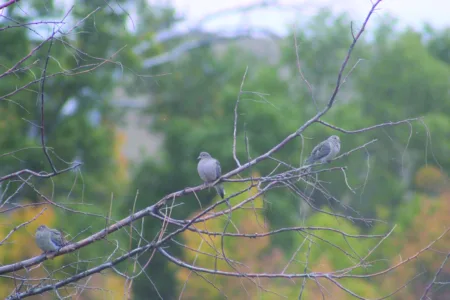
Another element on the landscape that produces doves on any given sit around a water hole is solid tree cover. From dense shelterbelts to farm groves to riparian stands of trees, these roosting areas hold doves all day and provide travel corridors for the small upland birds. Thick tangles of boxelder trees, stands of cottonwoods, and belts of old planted elms all are key tree types that doves relate to during the daylight hours and move from in the early day and closer to evening to feed and water. Any cover around a chosen water hole for doves is good too. The exposed cattle pond with nothing but dirt berms leaves hunting parties exposed, while a pool with some tree growth around it provides added camouflage. Keep tabs on trees in a hunting area to get the most out of any upcoming dove hunt.
The extras
Finally, there are some intangibles in the mix. My favorite water hole of all time for doves was a small spring fed pond built into the side of a ravine leading down to the river valley. It had all the trappings previously discussed; it was on the edge of a wheat field most seasons, concealed in part by brushy willows and along a travel corridor coming up from a dense stand of old growth in the valley below. The birds rose up that rill and toward the pond and field ahead of sunset, and it seemed to be the magic spot. It also helped there was a gravel road nearby to make grit access easier for their digestion. For two or three seasons, we visited that spot once a week and found great success and memories, as the little additions of the natural shape of the terrain and the gravel source drew birds in until they migrated south for the season. Two weeks lay ahead of this year's dove opener. If you're itching to get out, there's time to scout and set the stage for success for the autumn's first upland opportunities. Find those water holes to hunt around and more importantly the nearby fields and trees that draw feeding birds out for an evening hunt. Utilize cover and other extra features of such a find to get in on some of the most exciting early hunting one can find in the uplands ... of our outdoors.