
Habitat beyond the hunt
Trending
The first hunting opportunity of the year in our region is just a matter of days away with the early Canada goose season set to open in North Dakota on Aug. 15, and from there the rest will roll out as quickly across all of the places you read this column for all of the species you love to chase highlighted by doves, then some early waterfowl in Minnesota, then deer archery, and then grouse in mid-September. The feel of fall isn't far off, and getting ready in these waning days of summer is often offset by fishing activities, to squeeze in the last best outings of the year on the water. But the one thing that will determine success and be a gauge for where we're at -- beyond the species we can pursue and the ways we prepare for them -- is habitat.
This fall, make a conscious effort to gauge the amount and quality of habitat on both public and private lands you hunt, and keep tabs on how much grass is in the ground, how many sloughs remain, and how well taken care of it is in each space you visit for your hunting activities. If you're a young hunter, take note now and set your baseline. If you're an older hunter, see how it stacks up against where things were five, 10, 20 or 50 years ago. Odds are that better stands of habitat on either side of a posted sign mean better hunting opportunities on both public and private lands. The birds will flush more frequently, the deer will move more freely, and the opportunities will present themselves in proportion to the cover provided.
On top of that, those marginal lands in habitat or those large blocks of untouched public acres provide unseen benefits beyond hunting opportunities. The prevention of soil erosion and improved water clarity are aided by stands of trees and grass, and our downstream interests are protected by the spongelike power of sloughs and swamps left intact to slow water down, filter it out, and allow it to settle back into the ground. Even further beyond the obvious is the improvement of air quality that all habitat types provide, and homes for non-game species, including insects, pollinators, songbirds, reptiles and amphibians that are part of our vital, diverse web of life in this region.
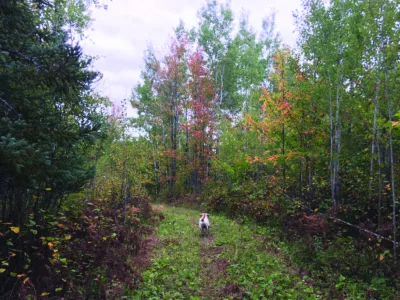
You may not see the latter categories of benefits with each step behind your favorite hunting dog, or while on the trail of deer tracks in the first light snow of late fall; but that doesn't mean they're not there. In your treks keep track of the things that matter -- birds in the bag, a punched deer tag, or simply the miles logged in pursuit of the activities you love to do outside. But take a moment or two on each walk to pause and look around and ask the important questions. How much habitat is there? How much more could there be? How do we get there or get back to where we used to be? How much better would everything be as a result of those improvements, the hunting; fishing; soil, air and water quality; and the overall experience for everyone and everything that visits these spaces or calls them their home ... in our outdoors.