
Foam for summer
Trending
Here in the final week of my boys' fun version of summer school, known locally as Camp Education, I dropped my oldest off at the crosswalk in front of the middle school to see a classmate of his hauling a selection of neon green pool noodles wrapped tight in a bear hug toward the front door.
"What is he doing with all of those foam noodles," I wondered aloud.
"Oh, that's for our boats," my oldest boy explained, before going into the allowed construction materials for the cardboard-based craft and their end-of-the-session competition to see what teams of middle schoolers could make it across a local pond in a corrugated canoe they created on their own.
I smiled and thought of how many less-than-seaworthy craft I had concocted on the shores of the lake and river that made up the classrooms for my self-instructed summer education programs as a kid, and how many seaworthy ones my buddies and I had swamped, flipped, or flooded intentionally -- including all our canoes, paddleboats, and even a couple of times, a small oar-powered fishing boat -- as part of a given day on the water as a youngster. Certainly, the foam additions being toted into school for the project would provide the buoyancy needed for the hand-crafted boat the team was working on, and I think probably would have been a welcome material in my youth activities as well.
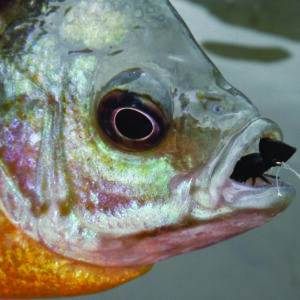
It reminded me too that the time for summer foam is upon us all be it at the beach, pool, or when angling. With the season comes my favorite fishing of the year, where the sun-soaked brown sugar sands draw bluegills up toward the docks around the cabin on the south shore. As they rise, my offerings of favorite foam flies are flicked out to meet them at the end of my fly line. From simple folded foam beetles, to hackled foam ants, to larger gaudy grasshopper-type patterns, casting foam to a school of freshwater piranhas is part and parcel with the start of summer as these panfish get active and oblige even the ugliest B-flies to come out of my vise. From my first attempts at fly casting, to my efforts some 20-plus years down the road now, the fun of watching a sunny snap up a foam fly and pull it under the surface is hard to beat.
The best part about foam flies is that they are as easy to tie as they are to fish. A simple vise and fly tying kit, along with some thread, some foam, and maybe a few feathers are about all that is required to make a menagerie of high-floating, easily-seen patterns that catch panfish. And really, I've tossed some ugly, gaudy options out there and always seem to get some interest from bluegills, bass and other surface-feeding species that have rewarded my early efforts. Those first days with the fly rod in hand were rewarded too with consistent action, despite not having the crispest cast or the mastery of rod mechanics that I have today. No matter how sloppy my loops were, or how hard I smacked the water with my line, after a couple of calming seconds, there were bluegills hovering just below the foam fly being twitched across the surface of the shallows. Foam flies and plentiful panfish become fast friends with anglers new to the fly rod and help provide fun lessons and the practice to go after more technical species like bass, crappies and trout later on.
So, whether you're looking to give fly tying and fly casting a try, or are a seasoned veteran of both, take this stretch of the season and give it a little lift with a selection of foam flies. The fun and excitement of a swirling school of fish around your creation is tough to beat, especially under the warming rays of the summer sun in the shallows of a familiar water ... in our outdoors.