Direct connection
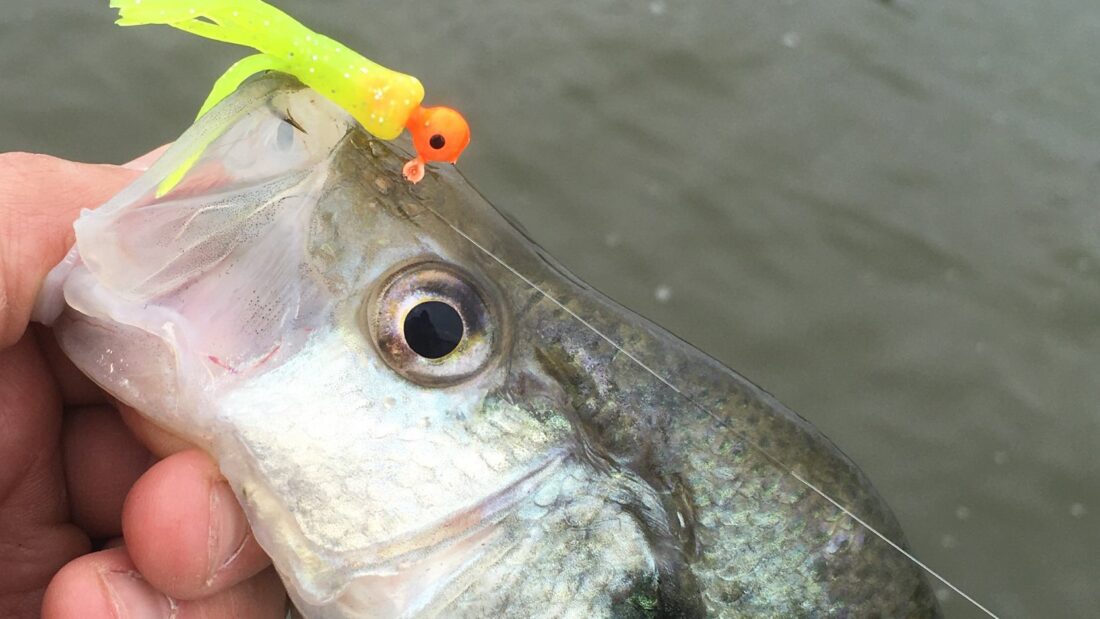
Provided photo Tying directly to jigs, soft plastics and other lures for popular spring targets like crappies ensures a good presentation and a better feel below the surface.
I’ve never been much for travel. Be it for fishing, hunting or family trips, I’m often content being within an hour’s drive of where I live. Sure, there’s new places to visit and new things to see in far flung regions of this country and the world, but as I’ve gotten older, I’ve found ways to find my fix with the fish close by and the birds and game in the habitat around me and developed a deeper appreciation for those local waters and hunting areas. When forced to travel, one thing that has made those family trips easier are those one- or two-hop flights to wherever we need to go, and these direct connections have taken some of the stress out of flying for me; one who at age 9, after watching the movie “La Bamba” about the life and times of singer Ritchie Valens, became a terribly nervous air traveler.
Like those one-hop trips in an airplane, in spring a direct connection to my offering is of the utmost importance when fishing for light biting fish, and it remains key throughout the openwater season in general. One of the first tips I pass on to new or budding young anglers is to tie directly to their lures, except in very rare instances.
I can recount dozens of times seeing a youngster fling out a jig into the clear waters of spring connected to their line via a swivel and a clip, and in each of them walking over and explaining that the likely reason they’re not catching the same crappies or walleyes that I am is that extra bit of terminal tackle they’ve added in between their bait and the line.
Tying directly to a jig, soft plastic, or other lure allows first for a more natural presentation. Especially in spring and in clear waters, the less there is on the business end of things to distract a fish, the better. Secondly, tying directly allows for a better feel of things when probing the depths below. With less in between the bait and the line, that slight tap of a take is more easily sensed above the surface by the angler, and eliminating anything in between helps with that telegraph system between the bite and the hookset. Finally, a direct connection also helps eliminate snags or the collection of debris at the end of the line. With less stuff to drag through gravel, rocks, or the muck and detritus that winter leaves on the bottom of many waters, the cleaner an offering stays for fish to snap up without hesitation.
Now, there are instances where a direct connection isn’t necessary, but it comes down to a limited handful of predators and presentations. Leaders between the line and the lure can be used for those toothy creatures like pike and muskies, and rarely do I tie an offering directly to the line when I’m targeting them exclusively.
Sometimes, when using a small spoon for trout, I’ll tie a small swivel in ahead of the lure to prevent excessive line twist. However, for the most part — and especially in the clear waters of spring — tying directly to an offering is the way to go for the most natural looking and effective presentation. Whether you’re starting out angling, or just looking to up your game, make sure to examine the end of your line, and tie directly to that jig, soft plastic or other lure that needs nothing in between to be fished most effectively.
Wherever your spring travels take you on angling adventures this year or for those fishing trips you sneak in on a family adventure, keep those direct connections in mind not only for your travel but also for the offerings you cast … in our outdoors.
Local Columns
Have patience
As I write this column, I'm reminded to have patience. Why? Well... Looking out the window, I can see about a ...
Direct connection
Forged in frustration
None of this would have happened were it not for cable TV. Like many guys, I’m a skilled — one might even say ...
Personal bucket list changes with the passage of time
It’s rare when a movie sums up a concept so well that it becomes applied to the lives of almost everyone. One ...

Country School Kids – Charlie Hettling – Beginning school at District 79