
On the Porch
Minnesota has a long tradition of immigration to the state. The Dakota and Ojibwe people, the largest American Indian tribes living in the area in the 1800s, were first joined by white settlers from elsewhere in the country. As land opened for settlement, an influx of European immigrants arrived to make their new home in the state in the late 1800s and early 20th Century.
The 20th Century brought immigrants to Minnesota from new areas of the world, including eastern and southern Europe, Asia, and Mexico. Some of these people were seeking new homes while also fleeing persecution and war in their homelands. Immigration continues today, more recently with Latino, Korean, Hmong, Somali, and Karen entrants to the state.
Minnesota’s immigrants transported many things with them to their new home. They brought memories, stories, values, music, and traditional knowledge. They also carried artworks, traditional clothing, musical instruments, and family heirlooms. They brought with them cultural heritage, which is often a mix of history, values, and traditions shared by a community.
Cultural heritage is important to many people, from those who have been in Minnesota for generations to those who arrived recently. Preserving cultural traditions helps immigrants and their families remember and honor where they came from, while living in their new home.
Today (April 30), is WorldFest: A Celebration of International Cultures and Local Diversity through Education, Food, Arts, and Cultural Performances at the Red Baron Arena in Marshall. WorldFest is the reboot of SMSU’s annual International Food Festival. The event time is Noon-8 p.m. Free admission to all students and only $5 for general admission. The Lyon County Museum has a booth at the event, which is open from noon-6 p.m. We are showcasing cultural artifacts from the museum’s collection. Check out this great event hosted by Southwest Minnesota State University in partnership with the City of Marshall and Visit Marshall.
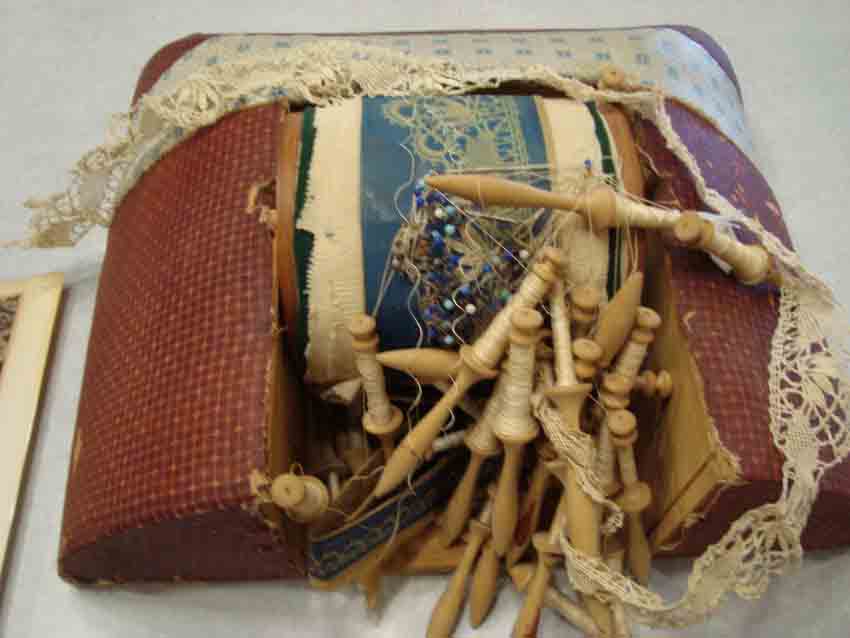
The photograph featured this week from the Lyon County Museum’s collection shows an image of an artifact in the collection. This artifact is a Belgian lace maker wheel that belonged to Mrs. Julius (Erma) Van der Meersch. She learned making lace at a school in Belgium when she was 8 years old. After World War I, she immigrated to the United States to join her future husband, who had come over earlier. Their first home was in North Dakota. The family later moved to Lyon County. Julius and Erma are buried at the St. Eloi Catholic Cemetery in Ghent.
The Lyon County Historical Society (LCHS) is a non-profit, member-supported organization. LCHS operates the Lyon County Museum at 301 W Lyon St in Marshall. The Lyon County Museum is open to visitors. To contact us, visit our website: www.lyoncomuseum.org, call: 507-537-6580, email: director@lyoncomuseum.org, or on our Facebook page.
Local Columns
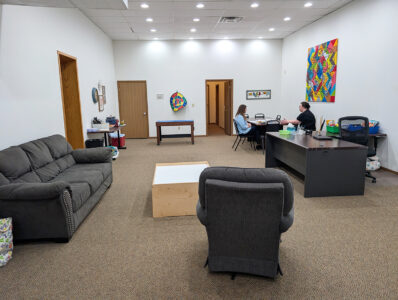
New Horizons is a safe place to go in a time of crisis
Economic conditions could lead to local tourism activity
Summer is right around the corner, which means many people are looking ahead to at least one substantial ...

From questions to confidence: Your first meeting with a financial adviser explained
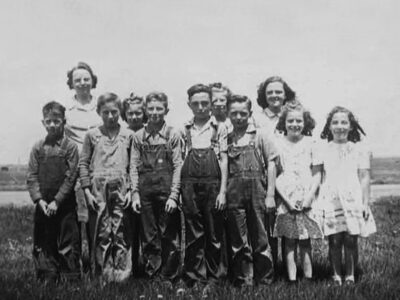
Country School Kids – Bonnie Jean Davis – Closing District #2 and attending the Lynd Public Schools
Ending the era of unchecked fraud in Minnesota
Minnesotans have always taken pride in our work ethic and our commitment to looking out for our neighbors. We pay ...
They are calling to you
Have you noticed them calling to you? It is such an enriching time of the year. There's new growth all around us. ...