
MN House candidates take part in forum
Hennen, Schmig in the running for District 15A seat
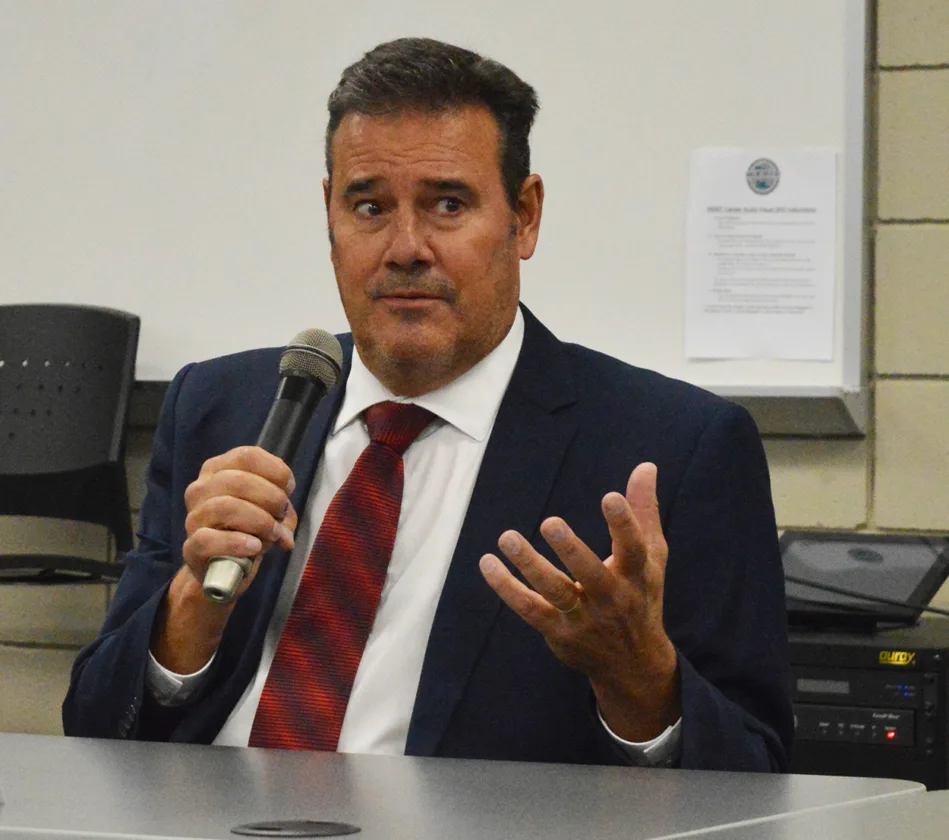
Photo by Deb Gau Brad Hennen, Republican candidate for Minnesota House District 15A, answered questions at a forum Wednesday.
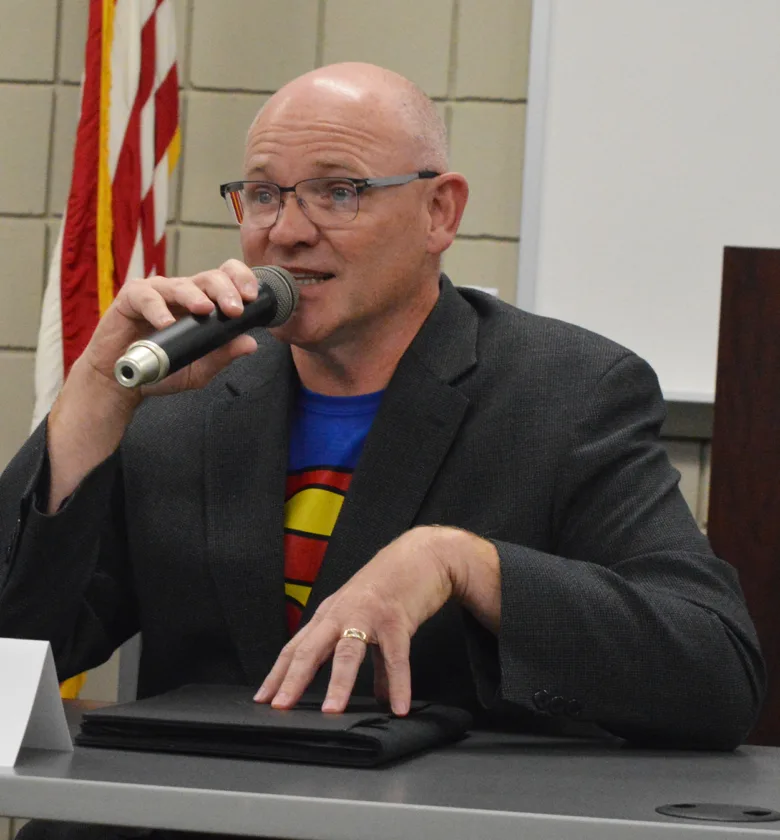
Photo by Deb Gau Nathan Schmig, DFL candidate for Minnesota House District 15A, took part in Wednesday's forum in Marshall.
Photo by Deb Gau Brad Hennen, Republican candidate for Minnesota House District 15A, answered questions at a forum Wednesday.
Photo by Deb Gau Nathan Schmig, DFL candidate for Minnesota House District 15A, took part in Wednesday's forum in Marshall.
Trending
MARSHALL -- House District 15A candidates for the Minnesota Legislature weighed in on key topics like agriculture and economic issues this week, during a forum event in Marshall on Wednesday night. Minnesota House of Representatives candidates Brad Hennen and DFL Nathan Schmig answered questions from the audience and moderators.
Hennen, the Repbublican candidate, and Schmig, the DFL candidate, are running for the House seat currently held by Rep. Chris Swedzinski. House District 15A includes Lyon, Yellow Medicine and Lac qui Parle Counties, as well as the city of Granite Falls in Chippewa County.
One of the topics candidates were asked about Wednesday night was their position on Minnesota's tax climate, especially after candidates in the Minnesota governor's race have pledged no tax increases.
"I believe that we don't have a revenue problem, we've got a spending problem," Hennen said. "There's plenty of money that we've raised in Minnesota through various forms of taxes, and we just need to be more judicious about how those funds are invested or distributed, or however you would describe it."
Hennen said he was happy to hear that both governor candidates were "on board" with that idea.
Schmig said he agreed that taxes should be kept "as low as humanly possible." However, he was uncertain he could promise not to support tax increases, especially after hearing funding concerns for programs like special education or emergency medical services.
"I'm not opposed automatically to a tax increase, should it be necessary in order to provide essential services," Schmig said.
Candidates received a couple of questions on how they would support Minnesota businesses, and what changes should be made to the state's current paid family and medical leave laws.
"I believe that our businesses in general are regulated too heavy. It's hard to start a business in Minnesota," Hennen said. Along with high taxes, regulations were a topic that could be addressed across Minnesota, he said.
Hennen said he was open to discussions about paid family and medical leave.
"I'm not certain that the program is salvageable entirely. I think the most important aspect that needs to be addressed is how it affects small businesses," he said. He said that could include giving small businesses the ability to opt out, narrowing the definition of a family member, or reducing the number of possible weeks of leave.
"We need to do what we can for small businesses. If you're posting record profits as a corporation, you're probably doing all right," Schmig said.
Schmig said Minnesota would also need some form of universal health care, which would help take pressure off of employers, including small businesses, to provide insurance.
When it came to family and medical leave, Schmig said he understood the importance of having protections for employees to care for children or family members. He said he'd have to take a closer look at he issue.
"I realize that it is a hardship on small businesses, and I am interested in looking at it as an issue. But I can't say from this seat right now that I would go ahead and change anything or cut anything at this moment," he said.
Agriculture was another key topic candidates talked about. When it came to supporting farms, Schmig said some of farmers' needs - like access to health care and education - were similar for all area residents. He said he would also like to see expanded broadband access in rural Minnesota.
Hennen said his positions on agriculture were shaped by experiences raising pigs during the COVID pandemic.
"What was really frustrating was to see barns full of hogs out there, and no place to go with them, and empty food shelves," Hennen said. "If there are ways that the government can assist in making those connections between the farmer and the consumer," he said, he would be open to that.
Hennen and Schmig weighed in on how waste and fraud could be reduced in Minnesota. Hennen said going forward, the most important thing to prevent fraud would be to make sure that the recipient of state funding has financial credibility.
"This should be done before any checks go out, not something that we're checking on after the fact," Hennen said.
Schmig pointed out that this year, the Minnesota Legislature passed laws creating an Office of Inspector General, and expanding the size of the state attorney general's Medicaid fraud control unit.
"Oversight has been strengthened. We need to keep our watchdogs funded," Schmig said.
He said the new legislation "seems to improve the situation, without causing undue harm."