
New tools to save lives
Southwest EMS rolls out telemedicine system in area ambulances
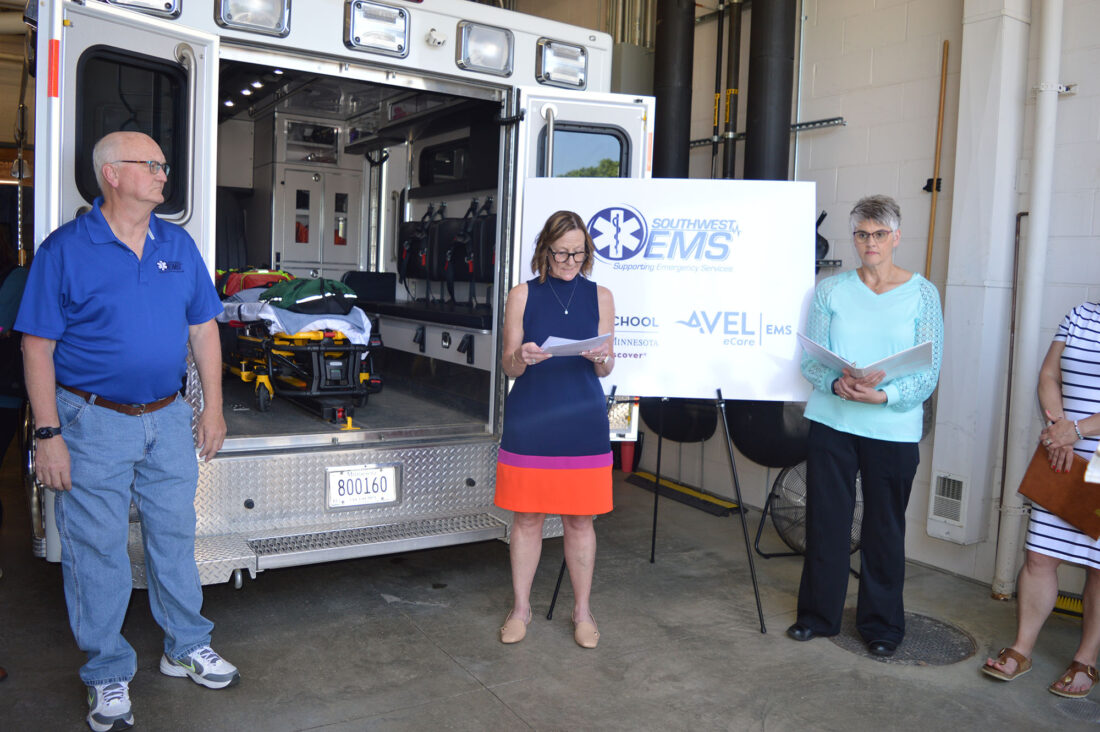
Photo by Deb Gau Speakers including Allan Johnson and Ann Jenson of Southwest Minnesota EMS, and Annette Larson of Toward Zero Deaths, celebrated the rollout of new telemedicine services in southwest Minnesota ambulances.
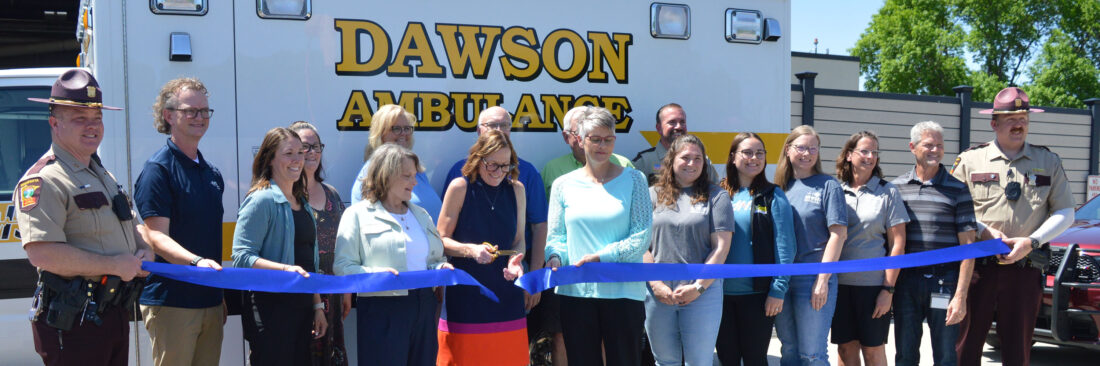
Photo by Deb Gau Ann Jenson cut the ribbon for the new telemedicine program rollout in a ceremony in Dawson on Wednesday.
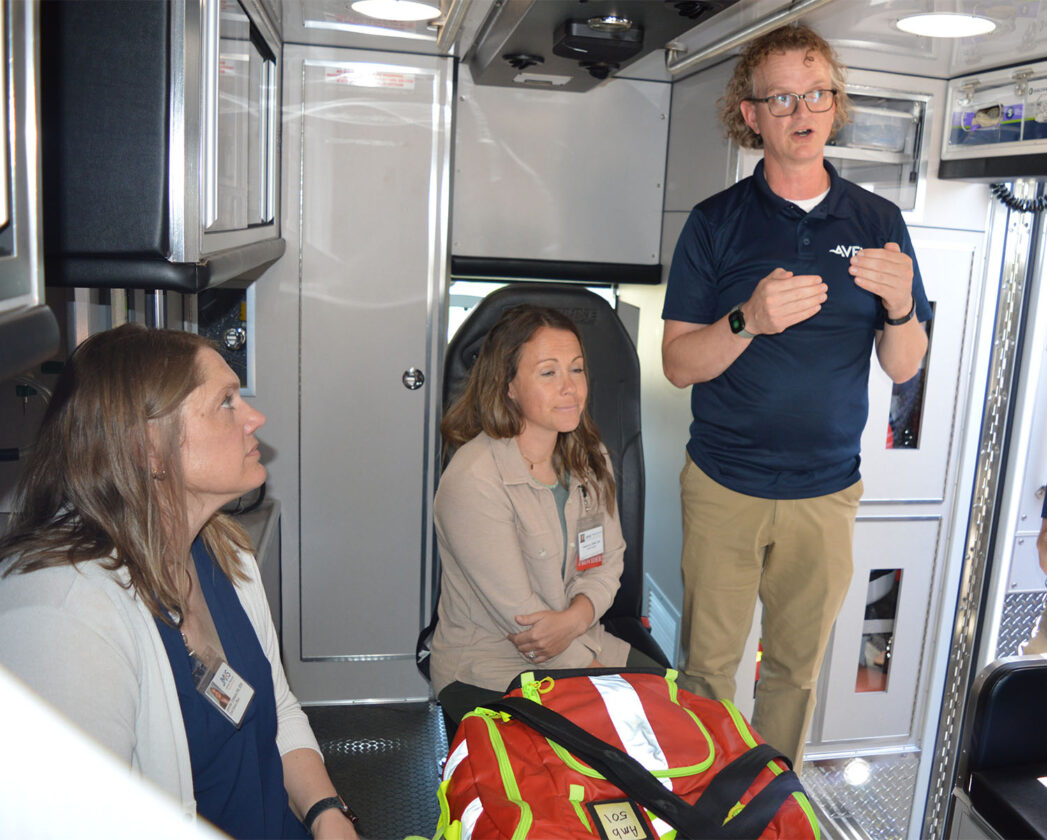
Photo by Deb Gau John Gruber, EMS operations manager at Avel eCare, explained features of the telemedicine system to Dawson medical providers
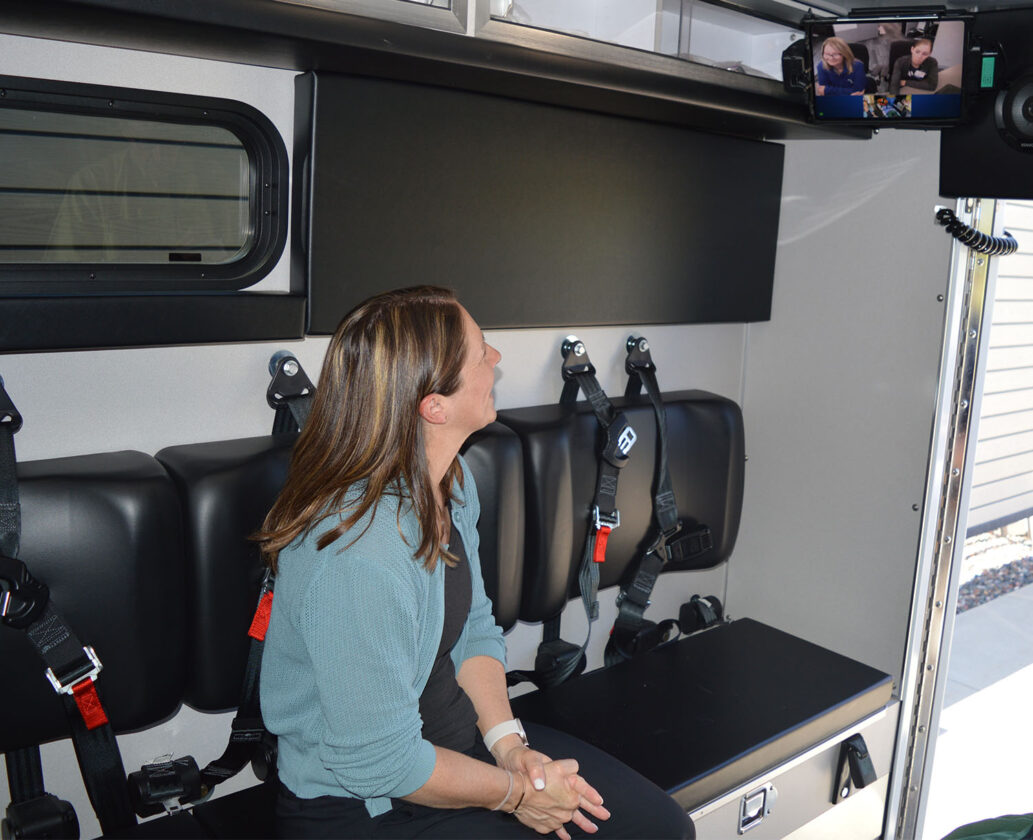
Photo by Deb Gau Becky VandeKieft, of Avel eCare, spoke with on-call medical providers at Avel's facilities, through a tablet computer in the cabin of a Dawson ambulance. The system allows emergency responders to consult with medical providers on the road or at the scene of an accident.
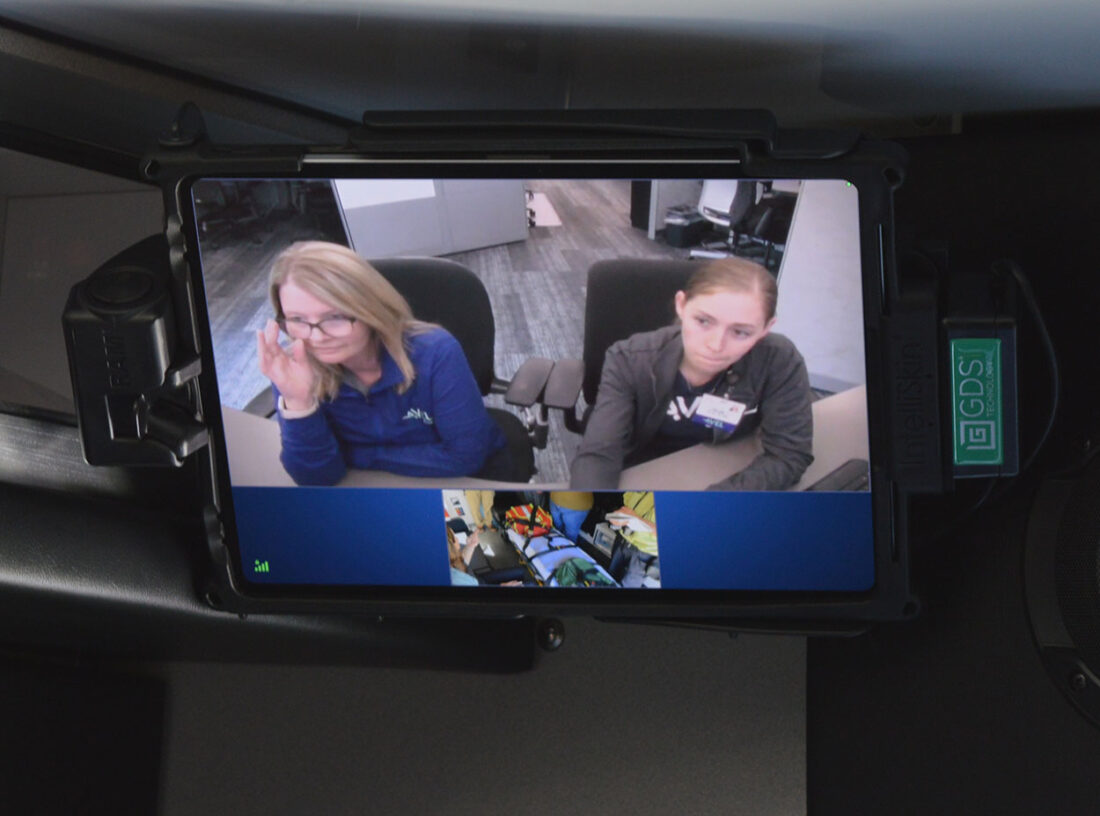
Photo by Deb Gau Tablet computers and speakers installed in ambulances give Avel eCare team members a view into the ambulance cabin, as they consult with medical responders.
Photo by Deb Gau Speakers including Allan Johnson and Ann Jenson of Southwest Minnesota EMS, and Annette Larson of Toward Zero Deaths, celebrated the rollout of new telemedicine services in southwest Minnesota ambulances.
Photo by Deb Gau Ann Jenson cut the ribbon for the new telemedicine program rollout in a ceremony in Dawson on Wednesday.
Photo by Deb Gau John Gruber, EMS operations manager at Avel eCare, explained features of the telemedicine system to Dawson medical providers
Photo by Deb Gau Becky VandeKieft, of Avel eCare, spoke with on-call medical providers at Avel's facilities, through a tablet computer in the cabin of a Dawson ambulance. The system allows emergency responders to consult with medical providers on the road or at the scene of an accident.
Photo by Deb Gau Tablet computers and speakers installed in ambulances give Avel eCare team members a view into the ambulance cabin, as they consult with medical responders.
Trending
DAWSON -- Emergency medical responders across southwest Minnesota will have a new tool to help them save lives.
On Wednesday, Southwest Minnesota EMS and partner agencies celebrated the rollout of telemedicine services that will let responders get extra assistance, right in the back of the ambulance.
"Today marks a major milestone, not only for emergency medical service, but for the future of rural health care across southwest Minnesota," said Ann Jenson, executive director of Southwest Minnesota EMS, a nonprofit that supports emergency medical services over an 18-county area.
Southwest Minnesota EMS was awarded $9.9 million in federal funding from the U.S. Department of Transportation's Safe Streets and Roads for All program. The funding will provide 54 EMS agencies and 109 ambulances with Avel eCare's telemedicine service, which allows responders to talk to an on-call team of doctors, nurses and medics. A ribbon-cutting ceremony for the program was held Wednesday at Johnson Memorial Health Services in Dawson.
A pilot program of the Avel eCare service was rolled out in 2023, with area agencies like the Murray County Ambulance and Wabasso Ambulance taking part.
Southwest EMS's service region extends from Big Stone County south to Rock, Nobles and Jackson Counties, and as far east as Renville, Meeker and McLeod Counties.
"This project has been kind of near and dear to my heart since the inception," Jenson said.
Jenson said the Avel eCare rollout was made possible with the help of partners like Toward Zero Deaths and the University of Minnesota, as well as the pilot sites in Murray County and Wabasso, and emergency medical responders across the region.
"By bringing telemedicine technology directly into our ambulances, we are expanding access to medical expertise faster, earlier and more efficiently," said Annette Larson, operations director of Minnesota's Toward Zero Deaths program.
"Imagine the impact we can have - emergency services, EMTs or medics responding to a stroke patient in a rural community can connect directly with specialists while transporting the patient," Jenson said. "EMS teams can share critical information sooner, improve treatment decisions, reduce delays in care and strengthen coordination with hospitals before a patient even arrives in the emergency room."
Becky VandeKieft, of Avel eCare, explained more about how the system will work. Ambulance cabins will be equipped with tablet computers, speaker systems and cellular modems. When ambulance crews respond to an emergency, they can use the system to consult with emergency physicians, trauma nurses and paramedics on the Avel eCare team. The tablet computers give the Avel team a view into the back of the ambulance.
Avel is based out of Sioux Falls, and has worked with emergency medical services in South Dakota, Nebraska and Kansas, VandeKieft said.
As the telemedicine project officially rolls out in southwest Minnesota, the University of Minnesota will be studying its impact on rural emergency medical care, said Lisa Rogers, director of the Translational Research Center for Resuscitative Trauma Care at the U of M.
Speakers at Wednesday's rollout said the telemedicine service would help support area responders as they provide emergency care.
"In rural Minnesota, we understand both the strengths and the challenges of delivering emergency medical care," Jenson said. "Distances are longer, resources are often limited, volunteers are declining, ambulance services are facing increasing financial pressures, workforce shortages, equipment costs, and the rising demand of care."
Jenson said rural Minnesota emergency services also understood the importance of working together to get access to resources and improve their response.
Lyon County Commissioner Rick Anderson was among the Southwest EMS board members who attended Wednesday's rollout. Anderson said it had been a long process to get telemedicine services for southwest Minnesota ambulances, but he knew it would have a big impact.
"This is going to be a really good thing," Anderson said.