‘One step closer’
Council look at proposal to reduce amount of pollutants into Redwood River
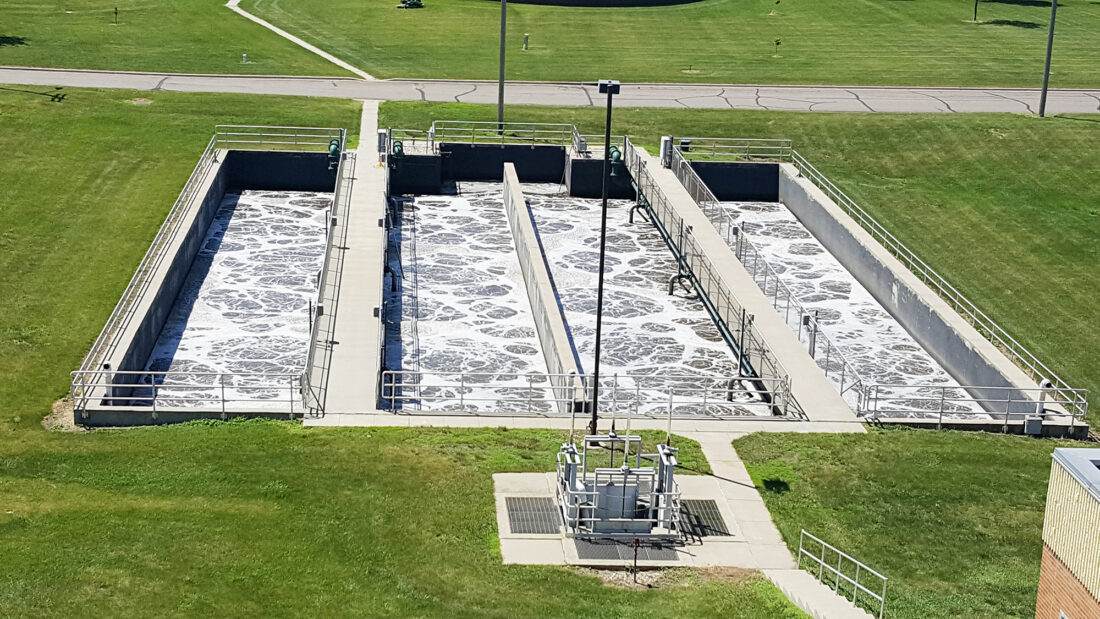
Photo courtesy of Scott Przybilla The city of Marshall's wastewater treatment plant will need to meet new limits for the amounts of certain pollutants, like phosphorus, that get released into the Redwood River. This week, the Marshall City Council is considering a proposal to develop a facilities plan for potential future plant updates.
The city of Marshall needs to keep working on reducing the amount of pollutants that get released into the Redwood River. Meeting new limits on phosphorus, sulfates and nitrogen will mean having a plan for the future of the Marshall sewage plant, said wastewater superintendent Scott Przybilla.
“It will bring us one step closer to meeting limits in 2034,” Przybilla said Tuesday.
A $195,000 proposal from engineering firm Bolton & Menk to develop a facility plan was up for consideration by the Marshall City Council on Tuesday evening.
Przybilla said having the plan will help Marshall get on a priority list for state grant funding for updates to the wastewater treatment plant.
The challenge of reducing pollution in the Redwood River has been something Marshall has grappled with for the past several years. In 2024, a new wastewater permit for the Marshall wastewater plant took effect. Part of the permit includes limits on how much of certain pollutants are allowed to be discharged into the river. The wastewater plant has a schedule of compliance to reduce the amount of phosphorus and sulfate discharged from the plant by 2034.
Marshall will have to meet stricter limits for phosphorus discharge during part of the year, from June through September, said Przybilla. That could be difficult when there are higher flows of wastewater coming through the plant.
Przybilla said the wastewater plant may need equipment updates to help meet phosphorus and sulfate limits. Plus, the actions the city takes to get phosphorus out of wastewater could also have a future impact on how the plant works to reduce nitrogen discharge.
“It will kind of determine which way we want to go,” Przybilla said.
Wastewater plant updates to reduce phosphorus would be eligible for funding from a state Point Source Implementation Grant, Marshall city staff said. Having an updated facilities plan for the Marshall wastewater plant would help Marshall get on the Minnesota Pollution Control Agency’s project priority list for grants and low interest loans, Przybilla said.
“The sooner we do this, the sooner we get on the list so we can get grant funding,” he said.
Bolton & Menk’s total estimated fee for developing a facility plan for the wastewater plant was $195,000, according to a proposal included with the agenda for Tuesday’s city council meeting. Initial meetings for the facility plan could start this spring, with a public hearing in December or January, and finalization of the plan in February 2027.
According to city council agenda materials, the city included $200,000 in its capital improvement plan to cover the cost of the plan.
Marshall has already taken some steps to reduce chlorides in its wastewater, which came from sources like household water softener salt. In 2021, Marshall Municipal Utilities completed a project to pre-soften city water at the Marshall water plant, and reduce the need for water softeners.
Przybilla said those measures have lowered chloride levels.
“It has worked, because residents have been able to turn down their water softeners,” he said. He said the city also still has a rebate program for residents and businesses who upgrade or remove older, less efficient water softeners.
Local News
‘One step closer’

MPS District shares technology update
Rollover crash reported near Ghent on Monday
A rollover crash on Minnesota Highway 68 on Monday afternoon is under investigation, the Minnesota State Patrol ...

Two SMSU alum host first-ever Hackathon

A lucky throw in Lucan