
Dr. Jill Biden discusses child care with Walz, other state officials
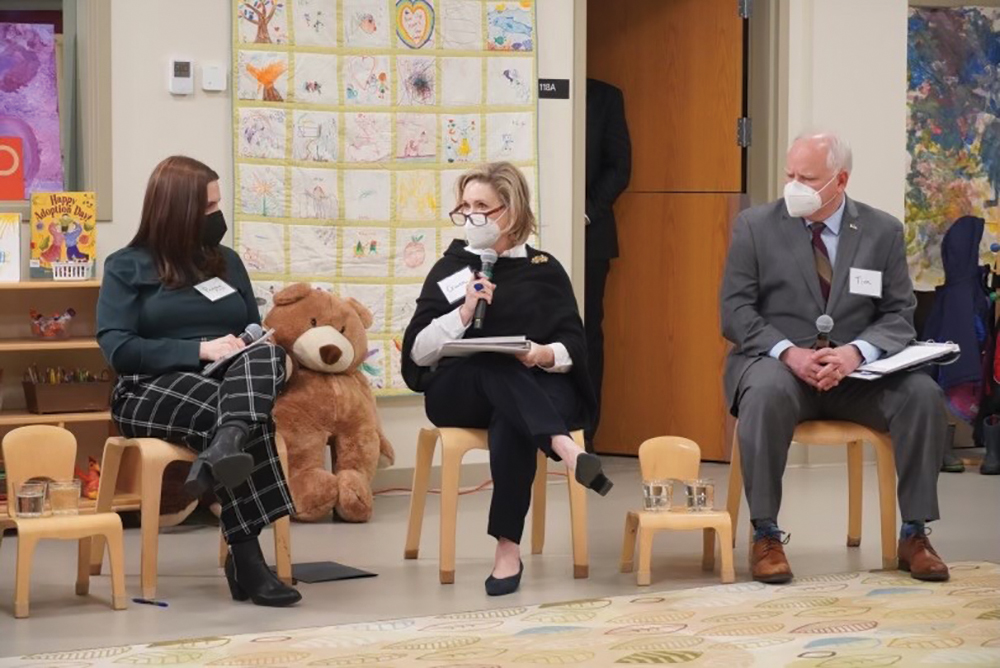
Photo courtesy of Minnesota Governor’s office First Lady Dr. Jill Biden, center, discuss child care issues with Minnesota Lt. Gov. Peggy Flanagan, left, and Gov. Tim Walz Wednesday at University of Minnesota.
ST. PAUL — Gov. Tim Walz, Minnesota’s First Lady Gwen Walz, and Lt. Gov. Peggy Flanagan joined First Lady Dr. Jill Biden and U.S. Secretary of Health and Human Services Xavier Becerra at the University of Minnesota to discuss how the pandemic has impacted child care and highlight ways Minnesota has been a national leader in protecting children and making child care available throughout the pandemic.
“When we invest in child care, we invest in families and educating our youngest Minnesotans, and we support our workforce and economy, and so much more,” Walz said during the discussion.
“I was thrilled to have the First Lady in Minnesota to continue these important discussions at a local and national level and highlight the strong commitments Minnesota has made to child care throughout the pandemic,” he said
“Our children deserve support, investments, and opportunities to learn and grow. Today’s discussion was incredibly important to reflect on the impact the pandemic has had and improve how we support families and child care providers,” Flanagan said. “I am grateful to have all levels of government involved and dedicated to investing in child care and building a strong foundation of success for our children and families.”
According to the Governor’s office, Minnesota received $537 million in child care funding from the American Rescue Plan to help make child care affordable and accessible for families. The money is also helping providers with increased costs due to the pandemic, helping individuals obtain the professional development they need to enter and stay in the child care field, and helping providers stabilize their businesses.
The Walz-Flanagan Budget proposes an additional $2.6 billion investment in early childhood over the next three years. This includes a nearly $1.8 billion investment in a mixed delivery child care and early education system that will increase access to affordable, quality slots for Minnesota families through increased Pre-K, Head Start, Child Care Businesses and Child Care Assistance, and Early Learning Scholarships.
The budget also includes funding to cover Child Care Assistance Program (CCAP) payment rate raises to help providers stay open and families afford care. It also proposes fully funding and forecasting the Basic Sliding Fee for CCAP to effectively eliminate the waiting lists for the program and provide access to an estimated additional 16,000 working families.
Local News
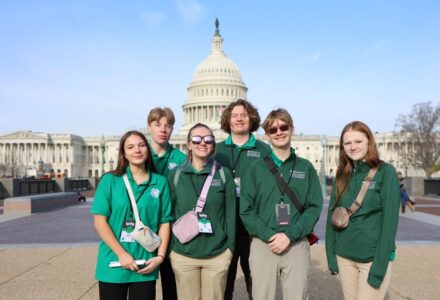
Murray County 4-H member attends national conference

America at 250: A journey through time, told through our communities

Easter Bunny welcomes smiling children
Putting 1776 ‘into context’
The 250th anniversary of the United States is this year, but the story of American independence goes back farther ...

A mad dash for eggs
Wabasso water project delayed
WABASSO — A water treatment project in the city of Wabasso is temporarily on pause due to “unforeseen ...